What Is Pediatric Gallbladder Disease?
Pediatric gallbladder disease affects the gallbladder in children. The gallbladder is a small organ under the liver. It stores bile, which helps digest fat. Although this disease is less common in kids than adults, it can still cause serious problems. In the United States, more children are being diagnosed with gallbladder issues. Sometimes, surgery becomes necessary to treat the condition. Early detection helps prevent complications.
Common Symptoms in Children
Children may show different signs than adults. However, many symptoms are similar. Knowing the signs of gallbladder problems in kids can help parents act quickly. Look for these symptoms:
Sometimes, symptoms come and go. But if your child has ongoing pain or other signs, seek medical help.
Causes and Risk Factors
Several things can cause pediatric gallbladder disease. For example, gallstones are a common reason. These are small, hard pieces that form in the gallbladder. Other causes include infections or problems with how the gallbladder works. Some children have a higher risk, such as those who:
Because risk factors vary, it is important to talk to your doctor about your child’s health.
How Doctors Diagnose the Condition
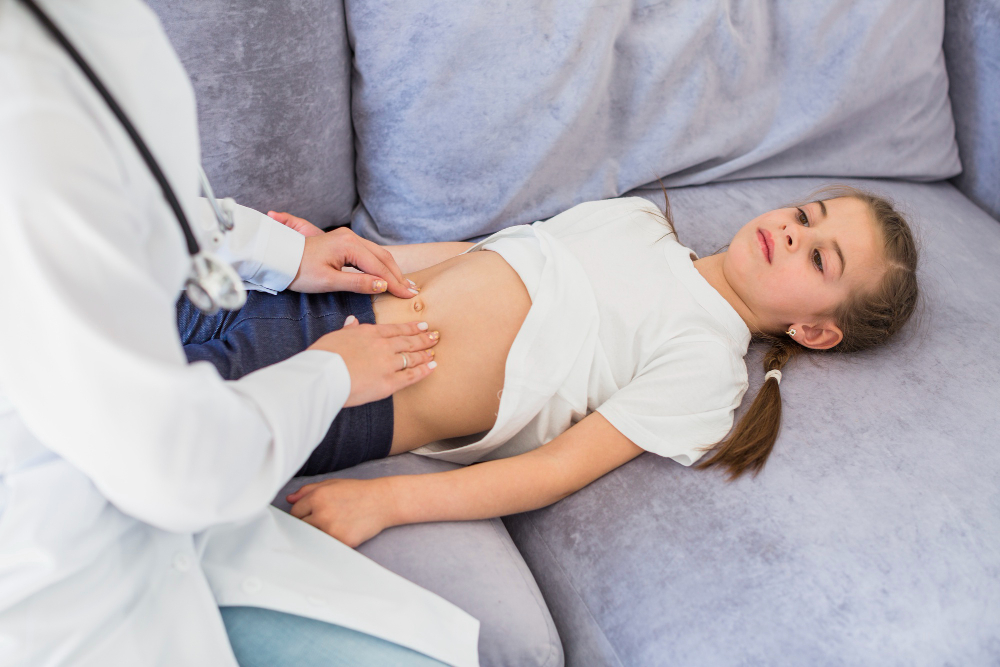
Doctors use several steps to diagnose gallbladder disease in children. First, they ask about symptoms and health history. Next, they do a physical exam. Often, doctors order tests to confirm the problem. These may include:
With these tools, doctors can find out if surgery or other treatments are needed.
When Is Surgery Necessary?
Sometimes, medicine or diet changes help. However, surgery may be needed if your child has severe symptoms or complications. For example, doctors may suggest surgery if:
Pediatric cholecystectomy is the name for gallbladder surgery in children. This surgery removes the gallbladder. Most children recover well after the procedure.
Treatment Options and Recovery
Doctors choose treatment based on your child’s needs. Sometimes, rest and medicine help mild cases. But if surgery is needed, doctors often use a method called laparoscopy. This means they use small cuts and a camera to remove the gallbladder. Because this method is less invasive, recovery is usually faster. After surgery, most children go home within a day or two. They may need to rest for a week. However, most kids return to normal activities soon. Always follow your doctor’s advice for the best recovery.
Tips for Parents: Supporting Your Child
As a parent, you play a big role in your child’s recovery. Here are some ways to help:
Because recovery can be stressful, offer comfort and support. Your child may feel better knowing you are there.
Prevention and Healthy Habits
While not all cases can be prevented, healthy habits may lower the risk. For example, you can:
Because early action helps, watch for symptoms and seek care if needed.
In summary, pediatric gallbladder disease can be serious, but treatment works well for most children. If you notice signs of gallbladder problems in your child, do not wait. Consult a pediatric specialist Dr. Murali for personalized advice about gallbladder disease in children.