What Is an Inguinal Hernia in Children?
Inguinal hernia in children happens when a small part of the intestine pushes through a weak spot in the lower belly, near the groin. This can cause a soft lump or swelling in the groin area. Usually, this swelling is more noticeable when a child cries, coughs, or strains. For many families, seeing this swelling can be worrying. However, knowing what it means can help you act quickly. According to the American Academy of Pediatrics, inguinal hernias are common in babies and young children, especially boys.
Common Symptoms of Inguinal Hernia in Children
Often, the first sign of hernia in kids is a bulge or swelling in the groin. Sometimes, this swelling may come and go. However, there are other symptoms to watch for as well:
In some cases, the swelling may become hard or cannot be pushed back in. If this happens, it may signal a trapped hernia, which is an emergency.
Causes and Risk Factors
Inguinal hernias in children often develop because the wall of the lower belly does not close fully before birth. As a result, a small opening remains, allowing tissue to slip through. While any child can get a hernia, some are more at risk. For example, premature babies and boys are more likely to have this condition. Additionally, children with a family history of hernias or certain medical problems may be at higher risk.
Because these risk factors are common, it is important to watch for signs early.
How Inguinal Hernias Are Diagnosed in Children
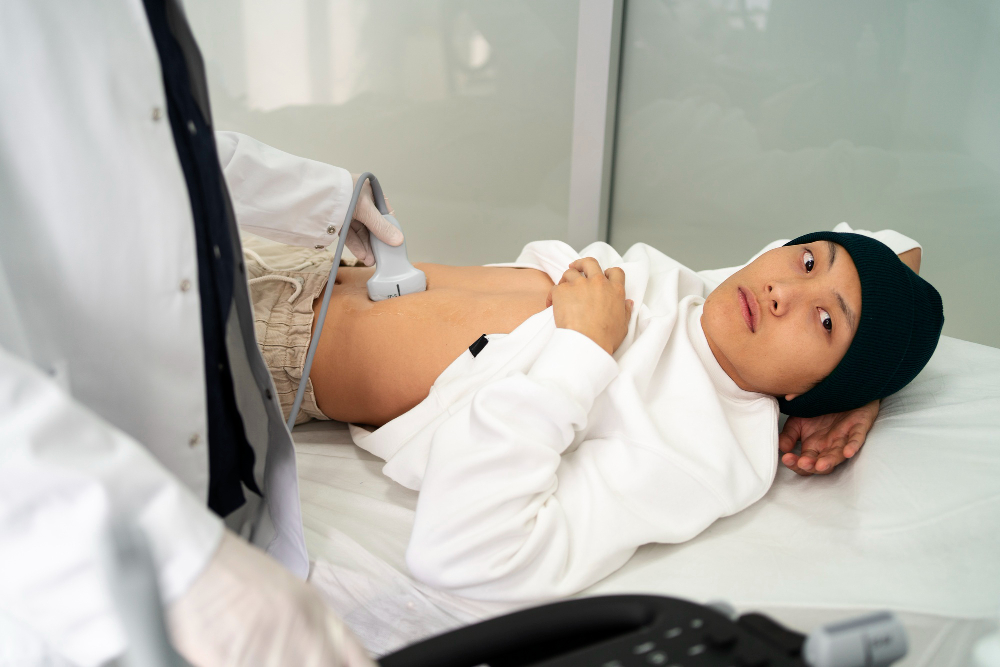
Doctors usually diagnose pediatric inguinal hernia with a physical exam. During the visit, the doctor will gently feel the groin area for swelling or a lump. Sometimes, the doctor may ask your child to cough or cry to make the swelling more visible. In some cases, an ultrasound may be used to confirm the diagnosis. This test uses sound waves to create a picture of the inside of the body. Although most cases are clear from the exam, imaging helps if the swelling is hard to see.
Why Groin Swelling Requires Surgical Attention
Not all lumps in the groin are harmless. In fact, a pediatric inguinal hernia will not go away on its own. Without treatment, the intestine can become trapped in the opening. When this happens, blood flow may be blocked, leading to pain and possible damage. For this reason, doctors recommend child groin swelling surgery for most cases. Early surgery can prevent serious problems, such as infection or tissue death. According to the CDC, prompt care lowers the risk of long-term harm.
Treatment Options for Pediatric Inguinal Hernia
The main treatment for inguinal hernia in children is surgery. During this simple procedure, the surgeon pushes the tissue back in place and closes the weak spot. Most children go home the same day. While recovery is usually quick, your doctor will give you special instructions for care. In rare cases, if the hernia is trapped or twisted, emergency surgery may be needed. However, most surgeries are planned and safe.
Because untreated hernias can cause serious harm, surgery is the best option for most children.
Prevention and Home Care Tips
Although you cannot always prevent pediatric inguinal hernia, you can help lower some risks. For example, treating coughs and constipation early can reduce pressure on the belly. After surgery, caring for your child at home is important. Here are some tips:
With early treatment and good care, most children recover well from child groin swelling surgery. Always speak with your healthcare provider if you have concerns about your child’s health.