What Is Neonatal Jaundice?
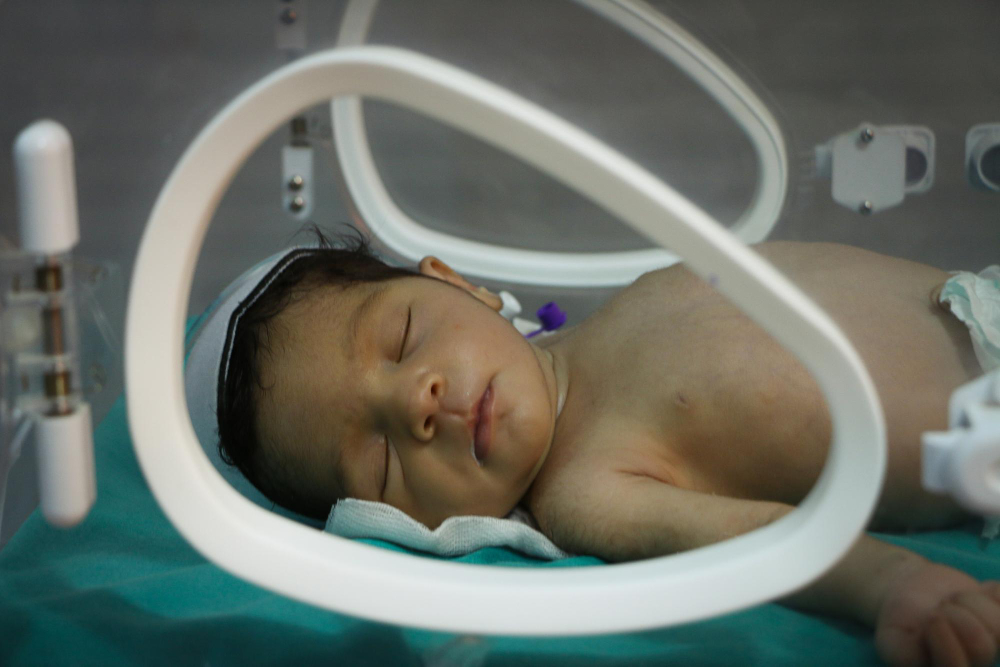
Neonatal jaundice is a common condition in newborns. It causes yellowing of the skin and eyes. This happens when a baby’s blood has too much bilirubin. Bilirubin is a yellow substance made when red blood cells break down. Usually, the liver removes bilirubin from the body. However, in newborns, the liver may not work fast enough. As a result, bilirubin builds up and causes jaundice. Most cases are mild and go away on their own. But sometimes, neonatal jaundice: when it becomes a surgical concern, needs special attention.
Common Causes of Neonatal Jaundice
Many babies develop jaundice for harmless reasons. Still, some causes can be more serious. For example, knowing the cause helps doctors decide on treatment. Common causes include:
Usually, these causes do not need surgery. Yet, some rare conditions may require it.
When Does Neonatal Jaundice Require Surgery?
Most newborn jaundice cases improve with simple care. However, sometimes jaundice signals a deeper problem. For instance, if a baby’s bile ducts are blocked or missing, surgery may be needed. This is rare but serious. Biliary atresia is one such condition. In this case, the tubes that carry bile from the liver to the intestine are blocked. Because of this, bilirubin cannot leave the body. Surgery is often the only way to fix this problem. So, when does jaundice need surgery? Only when there is a blockage or a structural problem in the liver or bile ducts.
Signs and Symptoms Indicating Surgical Concern
Although most jaundice is mild, some signs suggest a bigger issue. Watch for these symptoms:
If you notice these signs, it may mean a surgical problem like biliary atresia. Therefore, early action is important.
Diagnosis and Evaluation
Doctors use several steps to find the cause of newborn jaundice complications. First, they will check the baby’s skin and eyes. Next, they may order blood tests to measure bilirubin levels. Sometimes, doctors use ultrasound to look at the liver and bile ducts. In rare cases, a special X-ray or biopsy may be needed. These tests help decide if surgery is needed or if other treatments will work.
Surgical Treatment Options
When surgery is needed, doctors choose the best method for the baby. The most common surgery for blocked bile ducts is called the Kasai procedure. In this surgery, doctors create a new pathway for bile to flow from the liver to the intestine. Sometimes, if this does not work, a liver transplant may be needed later. Surgery is only done when other treatments cannot solve the problem. Because of this, doctors try all other options first.
Prevention and Home Care Tips
While not all cases can be prevented, some steps can help:
Early feeding and regular checkups lower the risk of severe jaundice. However, some rare causes cannot be prevented.
When to Consult a Doctor
If your baby’s jaundice lasts more than two weeks, see a doctor. Also, if you notice dark urine, pale stools, or poor feeding, seek help right away. Early treatment can prevent serious problems. For any signs of severe jaundice, do not wait. Contact Dr Murali as soon as possible.
If you notice signs of severe jaundice in your newborn, consult a specialist for personalized guidance.