What Are GI Malformations in Children?
Gastrointestinal (GI) malformations in children are birth defects that affect the digestive tract. These issues can involve the stomach, intestines, or other parts of the digestive system. When correcting GI malformations in children, doctors aim to fix these problems so kids can eat and grow normally. While some malformations are mild, others may need urgent care. Early diagnosis and treatment are important for child digestive health.
Common Symptoms of GI Malformations in Children
Children with GI malformations may show different symptoms. Sometimes, these signs appear soon after birth. Other times, they may develop as the child grows. For example, some symptoms include:
In many cases, symptoms can be mild at first. However, if your child has trouble feeding or severe belly pain, seek medical help right away. Early signs may help doctors find and treat the problem sooner.
Causes and Risk Factors
GI malformations in children often develop before birth. Usually, the exact cause is not known. Still, several factors may raise the risk. For instance, these include:
Although many cases have no clear cause, knowing the risk factors can help parents and doctors watch for early signs. Additionally, regular prenatal care may lower some risks.
How GI Malformations Are Diagnosed
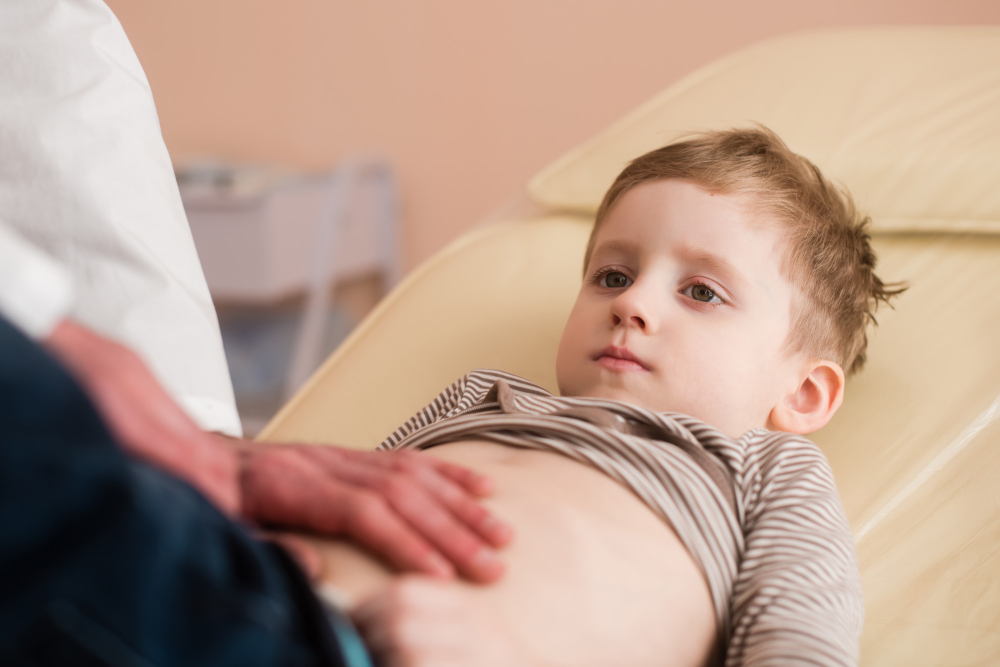
Doctors use several steps to diagnose GI malformations in children. First, they ask about symptoms and family history. Next, they perform a physical exam. If needed, doctors may order tests, such as:
Sometimes, doctors use special scans like MRI or CT for more details. Early diagnosis helps guide the best treatment plan. For many families, getting answers quickly can ease worry and help children get the care they need.
Treatment Options for GI Malformations
Treatment for pediatric GI malformations depends on the type and severity. In some cases, non-surgical options are enough. For example, mild blockages may be managed with special feeding plans or medicines. However, many children need surgery to correct the problem. Pediatric surgery is often safe and effective. Common surgical treatments include:
After surgery, doctors watch children closely to ensure healing. With the right care, most children recover well and can eat normally again. In some cases, ongoing care from a pediatric gastroenterologist is needed.
Recovery and Lifestyle Guidance for Families
After treatment, children may need time to heal. During recovery, families can help by following the care team’s advice. For instance, parents may need to:
Moreover, a healthy diet and gentle activity can support healing. If your child has a stoma or feeding tube, the care team will teach you how to manage it at home. Support groups and counseling can also help families adjust to new routines. Over time, most children return to normal activities and enjoy a good quality of life.
Prevention and Early Detection Tips
While not all GI malformations can be prevented, some steps may help lower risk. For example, parents can:
Additionally, early detection is key. If you notice feeding problems, vomiting, or belly swelling in your child, contact your doctor. Quick action can lead to better outcomes. Pediatricians and child digestive health experts can guide families through screening and care.